

Category: Scoliosis | Author: Stefano Sinicropi | Date: November 5, 2025
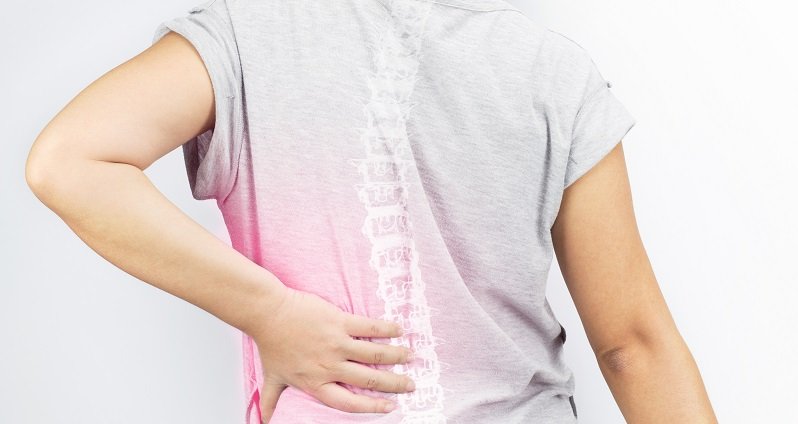
Scoliosis occurs when the spine develops an abnormal lateral curve. Instead of being rather straight up and down, a scoliosis deformity causes the spine to take on more of an “S” or “C” shape when viewed from behind. It’s a condition that commonly affects children experiencing rapid periods of growth and older adults who have subjected their spine to decades of stress. Not only can it affect different age groups, but it also tends to develop for a few different reasons.
In fact, scoliosis onset is typically classified into one of five different types. In today’s blog, we break down the five types of scoliosis classifications, and touch on how these different forms can be treated.
The 5 Types Of Scoliosis Onset
Let’s explore the five forms of scoliosis onset in greater detail:
- Idiopathic Scoliosis – Far and away the most common form of scoliosis is idiopathic scoliosis, which can be a bit frustrating because “idiopathic” means that cause is unknown. A variety of factors could be at play and no singular cause may have contributed to the spinal shift. This type of scoliosis is most common in growing kids and teenagers, and likely involves different stress forces being applied to the spine during periods of rapid bone growth, along with unseen genetic components that predispose the individual to scoliosis risk.
- Congenital Scoliosis – Congenital scoliosis is a rare form of the condition that develops at birth, due to how the spine was formed in the womb. This form of scoliosis is treated based on the extent of the curvature disorder, as conservative or operative treatments may be recommended.
- Neuromuscular Scoliosis – Neuromuscular scoliosis occurs when there is an issue with the brain, the spinal cord or the spinal muscles that support the spinal column. Because the nerve or muscle problem causes the spinal column to be ill-supported, a spinal column shift can occur. This is more common in individuals with conditions like cerebral palsy or muscular dystrophy.
- Secondary Scoliosis – Secondary scoliosis is the result of an injury or illness that causes the spine to gradually shift out of a healthy alignment. Acute trauma to the back, especially during puberty and adolescence, can lead to a slow curvature disorder if the problem is not adequately treated.
- Degenerative Scoliosis – Finally degenerative scoliosis can develop in older adults who have experienced natural degeneration of the spinal vertebrae and spinal discs. When the spinal column begins to lose height and support, a lateral shift can become more likely. Most older adults dealing with scoliosis are dealing with this form of the condition, and treatment will be determined based on the extent of their curvature disorder and how likely their body is to respond to different care methods.
Mild cases of scoliosis, especially in older adults, may be managed with conservative treatments like bracing, physical therapy and posture improvements. In younger patients, surgery may pose the best chance at realigning the spine and ensuring the malformation doesn’t continue. It’s difficult to get the spine back in a healthy alignment with conservative treatments, which is why doctors often recommend surgery for patients with more severe cases that are healthy enough to handle the surgery and recovery process.
To learn more about the different forms of scoliosis, or to talk to a provider about different spinal issues, connect with Dr. Sinicropi and the team at Midwest Spine & Brain Institute today at (651) 430-3800.
Related

