

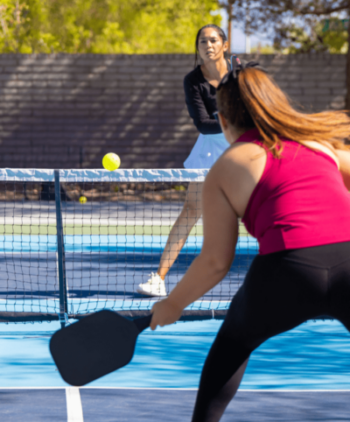
Pickleball has exploded in popularity over the past few years, becoming a favorite activity for people of all ages who want a fun, competitive way to stay active. Blending elements of tennis, badminton and ping-pong, it’s an easy game to learn, but not always so easy to master. While pickleball is generally considered lower impact than tennis, it is far from a gentle game. The quick, repetitive motions of the game can cause real stress on your joints.
Common Wrist Injuries on the Pickleball Court
For many players, the wrist is one of the first places to feel the strain. Most pickleball-related wrist pain comes from overuse or a sudden mishap on the court. Since the paddle essentially becomes an extension of your arm, any awkward form or extra force gets absorbed right into your wrist and surrounding tendons.
The repetitive flicking motion—plus the impact each time the paddle hits the ball—can send stress up your arm, and when you’re playing several times a week, it can really add up. Over time, this can lead to or aggravate issues like tendonitis, sprains, repetitive stress injuries, carpal tunnel syndrome, or flare-ups of arthritis.
- Tendonitis
Tendonitis is one of the most common complaints among pickleball players. It happens when the wrist tendons become inflamed from tiny, repetitive overuse-related tears. You might feel stiffness first thing in the morning or a lingering dull ache after playing.
- Sprains and Strains
A wrist sprain can happen in an instant—whether you fall and catch yourself with your hand (a classic FOOSH injury) or twist the paddle awkwardly while reaching for a shot. Sprains involve stretching or tearing the ligaments in your wrist, and they need proper support right away to heal well and prevent lingering issues.
- Arthritis Flare-Ups
For players already dealing with arthritis, the impact and repetitive motions of pickleball can sometimes trigger flare-ups. With cartilage already worn down, the added stress from playing can lead to swelling and sharper pain. That doesn’t mean you have to stop playing the game—it just means your wrists may need a little extra support to keep you comfortable on the court.
- Carpal Tunnel Syndrome
Carpal tunnel symptoms can also flare up with pickleball. The firm grip needed to hold the paddle—especially when paired with repeated wrist flexion—can increase pressure on the median nerve. That added strain often leads to numbness, tingling, or even weakness in the hand.
How a Wrist Brace Provides Relief and Support
When you’re dealing with pain—or simply trying to prevent it—a wrist brace can be one of the most practical tools you have. Wrist braces are designed to keep you active while giving your joints the protection they need. By providing targeted support and limiting movements that over strain the wrist, a brace helps reduce stress during play. It can also absorb some of the impact and gently remind you to maintain proper form.
Choosing the Correct Wrist Brace
Not all braces are created equal, especially when it comes to pickleball. You want something that offers enough support to protect your wrist, but still gives you the flexibility to hold and move your paddle comfortably.
Here are a few things to keep in mind:
- High Quality, Breathable Material– Look for neoprene or breathable knit fabrics that offer support without trapping heat. Steer clear of cheap or scratchy materials—they’ll only irritate your skin after an hour on the court.
- Level of Support – If you have mild aches or want preventative support, a compression sleeve or light wrap-around brace may be enough, offering gentle support without restricting movement. For tendonitis, arthritis, or sprain recovery, choose a moderate-support brace with a built-in stabilizer, which uses a metal or plastic stay to limit excessive bending and reduce strain.
- Proper Fit – A brace that is too loose provides no support, while one that is too tight can cut off circulation and cause cramping. Look for adjustable straps that allow you to customize the fit.
- Paddle Compatibility – Look for braces which leave the palm area relatively open or use thinner materials in the grip zone to ensure you can still hold your paddle comfortably.
Recommended Wrist Braces
- 3pp® Wrist POP™ Splint
Designed for targeted support, the 3pp Wrist POP provides customizable pressure to help relieve TFCC pain, ulnar-sided wrist pain, and instability—common issues on the pickleball court. The soft sleeve and adjustable foam pads let you control the amount of support without restricting your natural motion, making it ideal for players who need moderate stabilization.
2. 3pp® Wrist Wrap NP

Lightweight and flexible, the 3pp Wrist Wrap NP offers gentle compression and support for mild wrist aches, tendonitis, and flare-ups from frequent play. Its breathable, low-profile design leaves your palm open, making it easy to maintain a comfortable grip on your paddle while reducing strain.
Quick Tips for Wrist Health
While a brace can make a big difference, protecting your wrists takes a more holistic approach:
- Warm up your wrists and stretch before playing.
- Choose a paddle with the right grip size for your hand.
- Don’t ignore pain—rest and support your wrist as needed.
Pickleball is a great way to stay active and social. Wrist injuries may be common, but with the right knowledge and equipment, they don’t have to slow you down.
Like what you’ve read? Click here to subscribe to the blog!
Learn More About Wrist Braces and Other Helpful Products
Click on the images below
Our blogs are educational in nature and are not intended as a substitute for medical advice. Because your condition is unique to you, it is recommended that you consult with your health care provider before attempting any medical or therapeutic treatments. We are always happy to answer questions about products mentioned in our blogs, however, we cannot provide a diagnosis or medical advice.
About the Author:
Ginny Wolfe has been a dedicated team member at Oh My Arthritis (OMA) for over a decade. Her knowledge and expertise of OMA’s orthopedic products play a vital role in providing valuable health and wellness information. This information effectively showcases the benefits and features of their products, empowering customers to make informed choices.
OMA is celebrated for its dedication to improving the lives of those living with arthritis, injuries, and various health conditions. With a mission to deliver innovative and effective solutions, OMA has earned trust by offering products that alleviate pain and enhance joint mobility. Known for its premium splints, braces, and supports, OMA empowers individuals to maintain an active lifestyle while finding relief.

